

LAB Foundation
Grants & Competitions
WOMENT: A Proposal that didn’t Launch but still Mattered
LAB Foundation
Grants & Competitions
From Vulnerability to Vocation: What We Learned from DBS Foundation Grant Journey
.jpeg)
LAB Foundation
Grants & Competitions
.png)
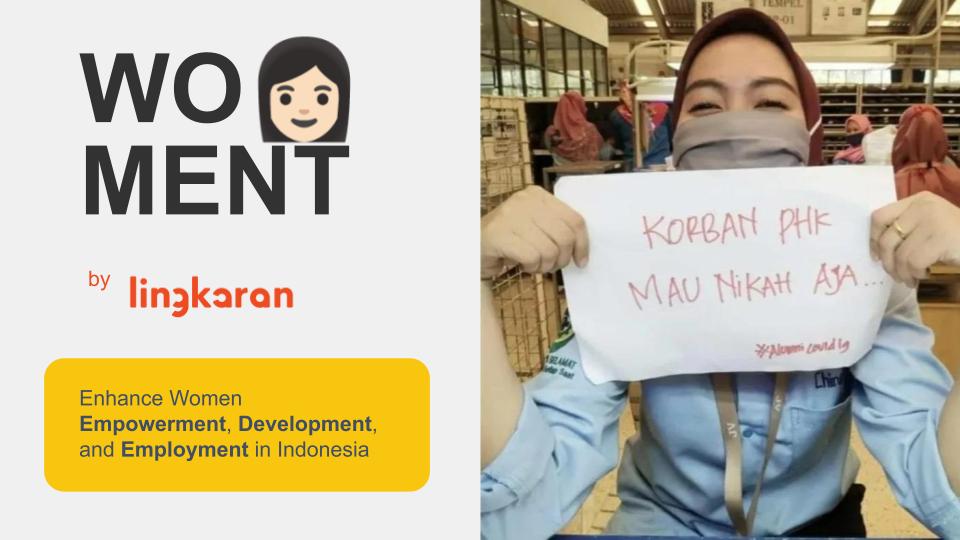
In 2021, we submitted a proposal to Future of Work in India & Indonesia Challenge by MIT Solve and Caterpillar Foundations, titled WOMENT (Women Empowerment). It was our response to the quiet crisis unfolding during the pandemic: countless Indonesian women being laid off, left in limbo, and rarely part of the recovery narrative. Most didn’t make headlines. Many didn’t even tell their families.
WOMENT was our way of listening to them and standing with them.
The idea was simple: a portfolio-based learning program to help women build digital skills, confidence, and readiness to re-enter the workforce, without needing to return to formal education. Through project-based bootcamps, they could develop real output, and walk away with something tangible: a story, a skillset, a portfolio.
The proposal made it to the Top 10 Finalists in MIT Solve’s Global Challenge. We didn’t proceed to the next round, but the journey didn’t end there. This isn’t a story about winning. It’s a story about what we learned and how those learnings shaped the way we work today.
.jpeg)
At first, we focused on the numbers. How many women were affected, how many we could reach. But what changed our perspective was a single story: a laid-off saleswoman who taught herself Canva and began freelancing from her bedroom in Bekasi. That narrative helped us reframe the whole solution not as a mass training pipeline, but as a personal empowerment journey in a time of transition.
We learned that change starts with listening. Deeply, and without assumption.
WOMENT was still an early idea. We hadn’t launched the program yet. But the application process pushed us to build responsibly. Prototyping the curriculum, mapping learner journeys, imagining delivery models. That process helped us sharpen our thinking, and commit more boldly to the idea.
We didn’t have it all figured out, but we had enough to start.
WOMENT reminded us that proposals aren’t just for funding. They’re tools to think clearly, design responsibly, and turn an abstract intention into something buildable. Whether or not it gets selected, a well-made proposal brings ideas one step closer to life.
Because ideas are only as strong as your willingness to test them.
Even after the challenge ended, we continued sharing the WOMENT concept with potential collaborators. That openness sparked new conversations and unexpected support, including opportunities to pilot parts of the idea through local CSR programs and bootcamps. It wasn’t large-scale. But it was real, and it reached women in transition.
You never know who might believe in your idea, until you share it.
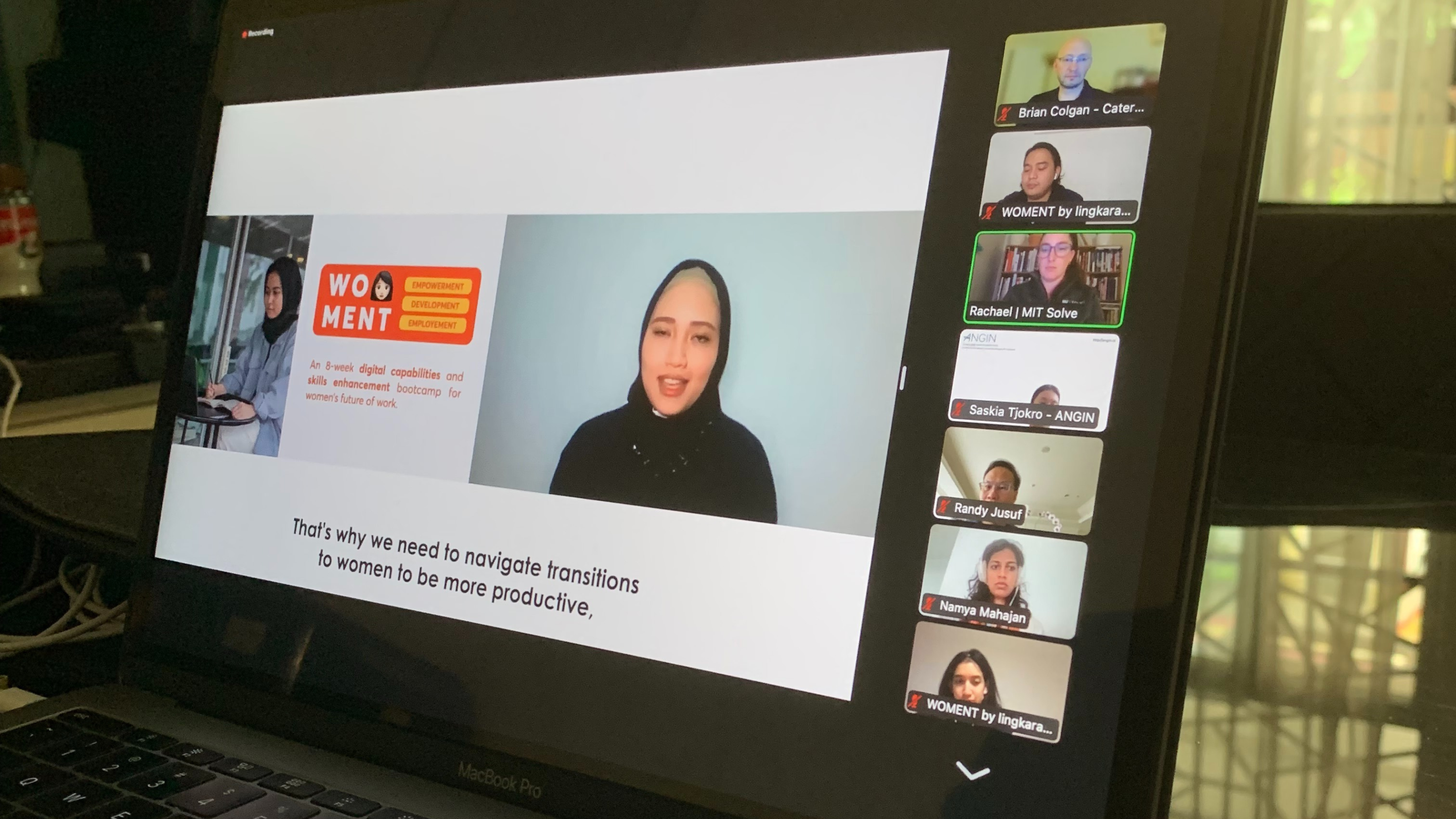
Today, LAB Foundation continues to carry the spirit of WOMENT across many of our programs especially those that center transition, lived experience, and trust. That proposal may not have launched in full form, but it left a lasting mark on how we work, listen, and grow.
Because not all success stories start with a yes. Sometimes, they start with a question and the courage to keep going anyway.
Read our full submission here